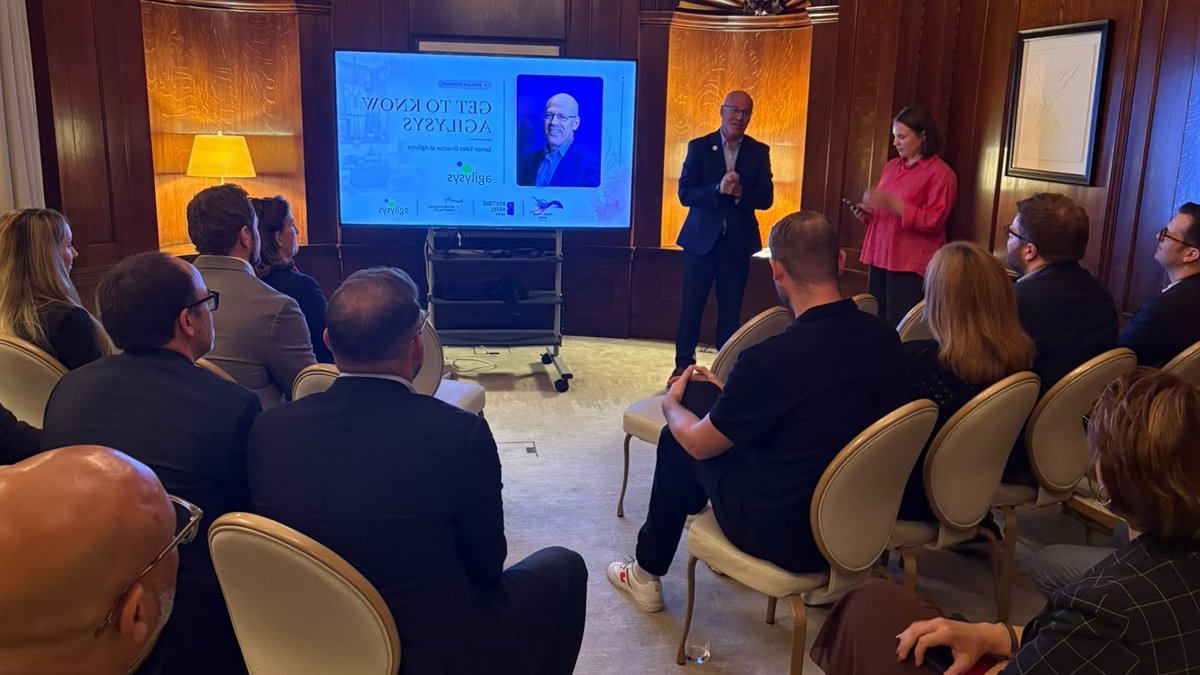
Personalisation in luxury hospitality has become so common that the term risks becoming meaningless, according to a recent industry gathering organised by Boutique Hotel News and Agilysys at Four Seasons Hotel London at Tower Bridge. The session, part of the Feed Your Mind series, gathered hotel operators to assess whether personalisation remains a valuable strategy or has devolved into an overused phrase.
New eMarketer data identifies four major obstacles to effective personalisation in 2026. First, 78% of marketers say they cannot produce personalised content at scale, and 65% say it is too difficult to create timely, personalised content for all customer segments. Second, younger travellers—54% of Gen Z and 60% of Millennials—now trust AI agents to make better recommendations than in-store associates. Third, disconnected software systems prevent hotels from using guest data effectively. Finally, consumers remain cautious about how their information is handled, creating a barrier to trust.
Participants noted that personalisation lacks a universal definition. A strategy successful at one property may seem inappropriate elsewhere. The most impactful approach focuses on understanding guest motivations and anticipating needs before arrival. For instance, business travellers require quiet workspaces, while leisure guests may seek spa bookings. Without this insight, even well-designed personalisation efforts can miss the mark.
Modern guests demand exceptional amenities at home, pushing hotels to deliver experiences they cannot replicate elsewhere. This goes beyond simple services like restaurant reservations and instead involves creating moments tailored to each guest’s purpose. A family attending a wedding might need early check-in and childcare options, while solo travellers could benefit from local event suggestions. The difficulty lies in blending technology with genuine human connection.
A recurring challenge is the pre-arrival phase, where fragmented guest profiles and outdated systems prevent hotels from recognising repeat visitors. Many properties still lack tools to link past stays with future bookings, leaving personalisation opportunities unused. The discussion stressed that technology should enhance, not replace, human interaction. Staff training must adapt so employees can engage with guests rather than remain glued to screens, especially as industry-wide turnover and pay constraints reduce institutional expertise.
Behind the scenes, AI is helping streamline routine tasks. Hotels now use it for month-end financial reports, managing high-volume communications, and assisting with itinerary planning. These applications allow staff to focus more on guest service and less on administrative work. However, the industry agrees that the future of luxury hospitality will depend not just on technology, but on the people who implement it.