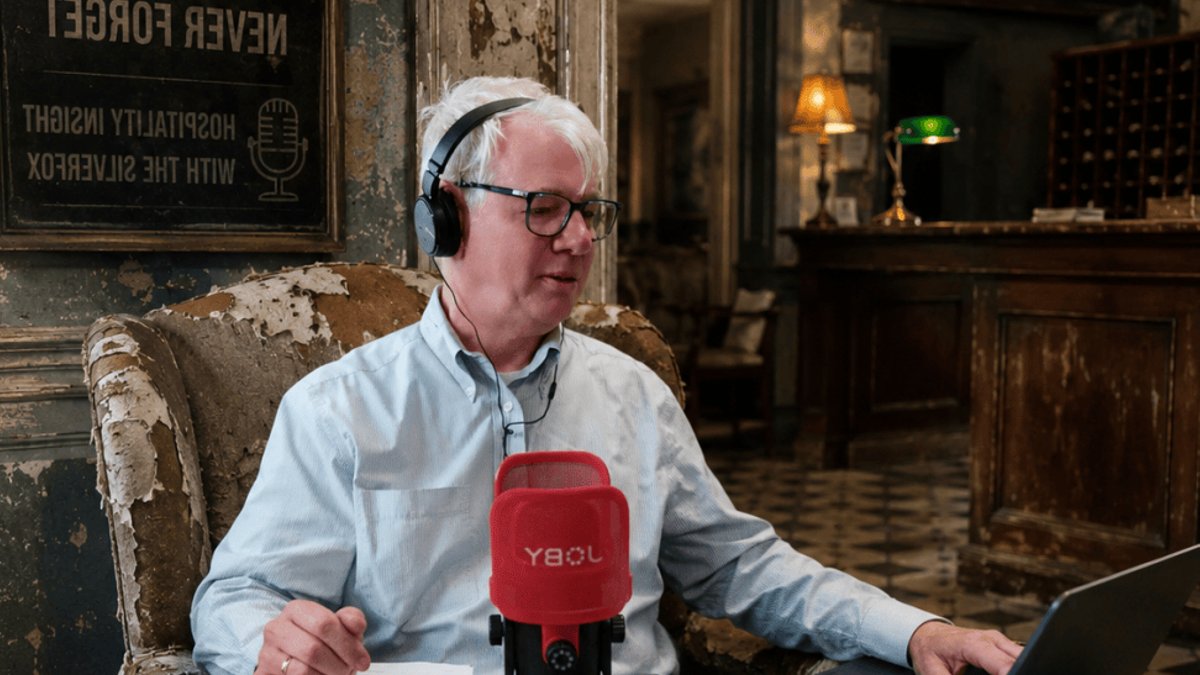
Micro-maintenance in the hospitality industry is often invisible to the guest, yet it determines the difference between a forgettable stay and a loyal customer. When a guest steps into a room and sees a crooked light fitting, a scuffed chair, or a clock that has stopped, the impact is subtle but cumulative. These small details can alter the perception of the entire property, shifting a hotel from a place of care to one that feels neglected. The issue isn’t that these individual defects are catastrophic, but that their collective presence changes the way a guest feels about the stay.
The psychology of the broken detail
Stephen Hickmore, a hospitality professional from Johannesburg and host of the podcast “Hospitality Insight,” argues that a single negative detail can skew a guest’s view of everything else. This phenomenon is the opposite of the traditional “halo effect,” where one positive trait influences the perception of other unrelated traits. Instead, a chipped tile or a broken handle creates a negative bias that colors the guest’s experience, making them hyper-aware of other imperfections they might otherwise overlook. This psychological shift means that if a guest notices one small issue, they are more likely to look for another, effectively magnifying the flaws in the property.
Related: Orchestra Leadership Lessons: Don’t Play Every Instrument
Hickmore, who has worked with groups like THF hotels and Southern Sun and now runs the Swiss Hotel School South Africa, suggests that the hospitality industry needs to rethink who is responsible for these details. The question of ownership is central to the conversation. Is it the housekeeping staff, the maintenance crew, or management? Or should every member of the team, from front desk to culinary staff, be empowered to notice and address minor issues? The answer lies in shifting the mindset so that the guest is the last person to notice a problem, not the first.
Preventing problems before they start
Effective management requires a shift from reactive repairs to preventative maintenance. This means providing staff with the training, tools, and authority to fix small problems immediately rather than waiting for a formal maintenance request. By empowering employees to handle these micro-maintenance tasks, hotels can maintain a pristine environment that feels consistently cared for. The goal is to close the loop on small issues before they have the chance to accumulate and damage the property’s reputation.
Related: Homerton’s Cherished Choices: Unraveling the Perfect Ring
Empowering the team creates a culture of accountability where staff members feel responsible for the overall state of the hotel. When a team is trained to spot and fix a piece of paper left on the floor or a mark on the wall, they contribute to a seamless guest experience. This approach ensures that the details guests never forget are positive ones, reinforcing the hotel’s brand and encouraging repeat visits. The industry has seen this model work in various capacities, and the consistent application of micro-maintenance remains a reliable strategy for success.