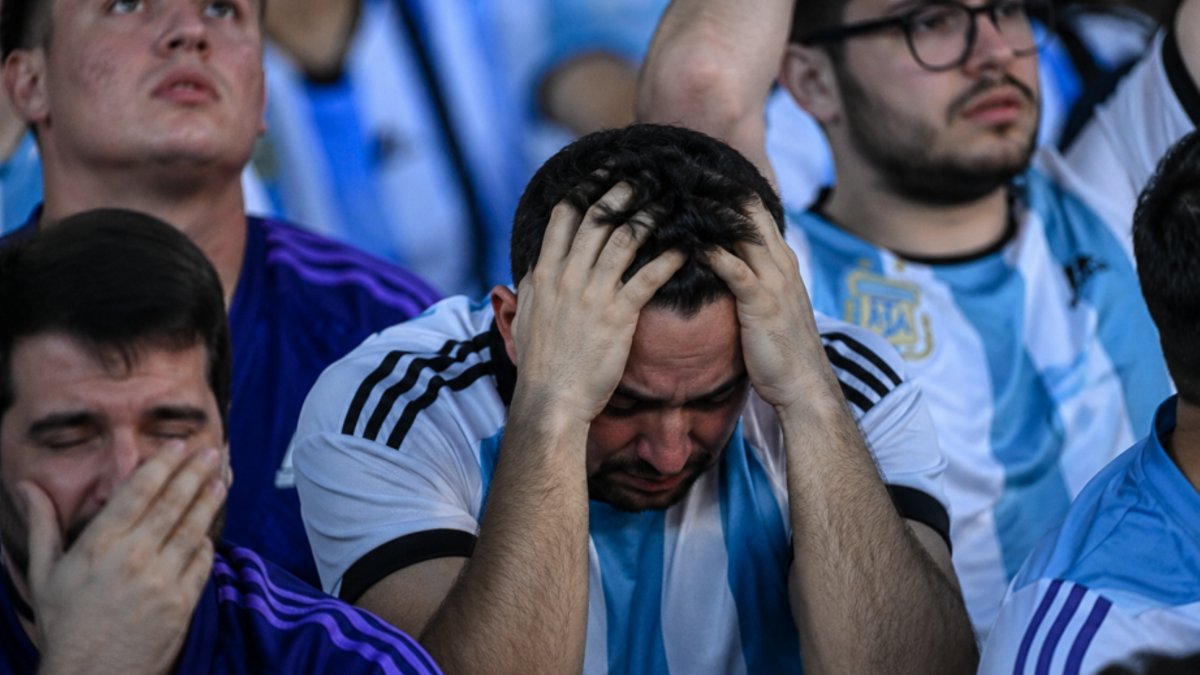
The 2026 FIFA World Cup is negatively impacting the United States’ reputation as a global tourism destination. International media coverage highlights significant obstacles for visitors, including long visa wait times, excessive pricing for tickets and concessions, and inadequate local transportation infrastructure. These issues create a stressful environment for international fans. These challenges emerge as U.S. inbound tourism figures show a decline from previous years. Analysts suggest that high costs, bureaucratic barriers, and safety perceptions are driving travelers toward more accessible international alternatives. Consequently, the tournament may expose operational weaknesses that could affect long-term hospitality growth and visitor trust.
Visa Barriers and Bureaucratic Delays
Months before the tournament began, lawmakers, tourism bodies, and travel associations warned that long visa waiting periods and increasingly complex entry requirements could discourage international fans from travelling to the United States. Reports highlighted concerns that visitors from Africa, South America, parts of Asia, and the Middle East were facing major delays or uncertainty in obtaining visas in time for the World Cup. Major global sporting events are not only about stadium attendance; they are a global showcase for the host country’s tourism sector. When international visitors encounter bureaucratic barriers before they even board a plane, the damage extends far beyond football.
Read Also: Young South African chefs head to World Cup
Tourism economists have repeatedly warned that cumbersome visa systems reduce competitiveness in the global tourism market — especially when travellers can choose easier alternatives in Europe, Asia, or the Middle East. This friction undermines the United States’ ability to attract international visitors. The long wait times are not just logistical annoyances; they signal a lack of preparedness that global travelers notice immediately. Once a destination is associated with slow processing and complex forms, it loses its appeal to casual tourists who want a seamless experience.
Costs and the Perception of Exploitation
Another major controversy has been the cost of attending matches. Media reports and fan reactions have criticised FIFA and host venues for what many supporters describe as “price gouging.” Ticket prices for some matches reportedly reached levels many ordinary supporters simply could not afford, while resale markets added even more pressure. The criticism did not stop at tickets. Food and beverage pricing inside several stadiums also drew widespread backlash. Reports described bottled water costing around $5, beers exceeding $20, and ordinary fast-food meals selling for luxury-level prices.
For the hospitality industry, perception matters as much as reality. Travellers are often willing to spend money during major events — but they do not want to feel exploited. Once visitors believe a destination is aggressively commercialised, trust deteriorates rapidly. This creates long-term reputational risk that can persist long after the final whistle blows. When fans feel that every interaction is a transaction designed to extract maximum revenue, they are less likely to recommend the destination to friends or family in the future.
Read Also: Teachers Bring Hope Through Hospitality Education
Transportation and Infrastructure Failures
Transportation has also become a major talking point. Reports from World Cup venues described overcrowded systems, expensive rail services, rideshare bottlenecks, and fans stranded for hours after matches. At the MetLife Stadium area in New Jersey, some supporters reportedly faced severe delays and sharply increased transport costs. One of the paradoxes of the 2026 World Cup is that the United States possesses world-class aviation infrastructure, yet many visitors have found local public transport systems fragmented, expensive, or difficult to handle compared to European or Asian tournament hosts.
International visitors increasingly compare tourism destinations globally, not locally. A fan travelling from Seoul, London, Johannesburg, or Berlin expects seamless transport integration, transparent pricing, digital convenience, and efficient crowd movement. When those expectations are not met during the world’s largest sporting event, the criticism becomes amplified internationally. The contrast with hosts like Germany or Japan is stark, where public transit networks are often integrated with event logistics and priced for accessibility. The United States faces a difficult task in convincing these visitors that domestic infrastructure can be improved for future trips.
Weakening Tourism Numbers
Perhaps the most concerning issue is that the World Cup arrives at a time when U.S. international tourism numbers were already under pressure. According to National Travel and Tourism Office (NTTO) data and related industry analysis, international arrivals to the United States reached approximately 72.4 million in 2024. Arrivals then fell sharply to roughly 68.3 million in 2025 — a decline of approximately 5.5%. Official forecasts suggest arrivals may recover slightly to approximately 70.5 million in 2026.
Read Also: Guests Remember Small Touches in Hotel Micro-Maintenance
The significance of these numbers should not be underestimated. The United States was expected to continue strongly recovering after the pandemic. Instead, the country experienced one of the sharpest inbound tourism slowdowns among major global destinations. Analysts have pointed to several contributing factors: strong U.S. dollar exchange rates, political tensions and global perception issues, and competition from destinations perceived as easier and more welcoming.
The Long-Term Impact on Hospitality
The World Cup should have been a tourism triumph for the United States. Instead, many headlines have focused on operational strain and visitor frustration. This matters because destination reputation has become one of the most valuable assets in global tourism. Countries no longer compete only on attractions, they compete on experience quality, accessibility, affordability, and emotional trust. The hospitality industry understands this instinctively. Guests remember how a destination made them feel. If visitors leave believing they were overcharged, delayed, stressed, or unwelcome, the damage spreads quickly through social media, online reviews, podcasts, travel forums, and international press coverage.