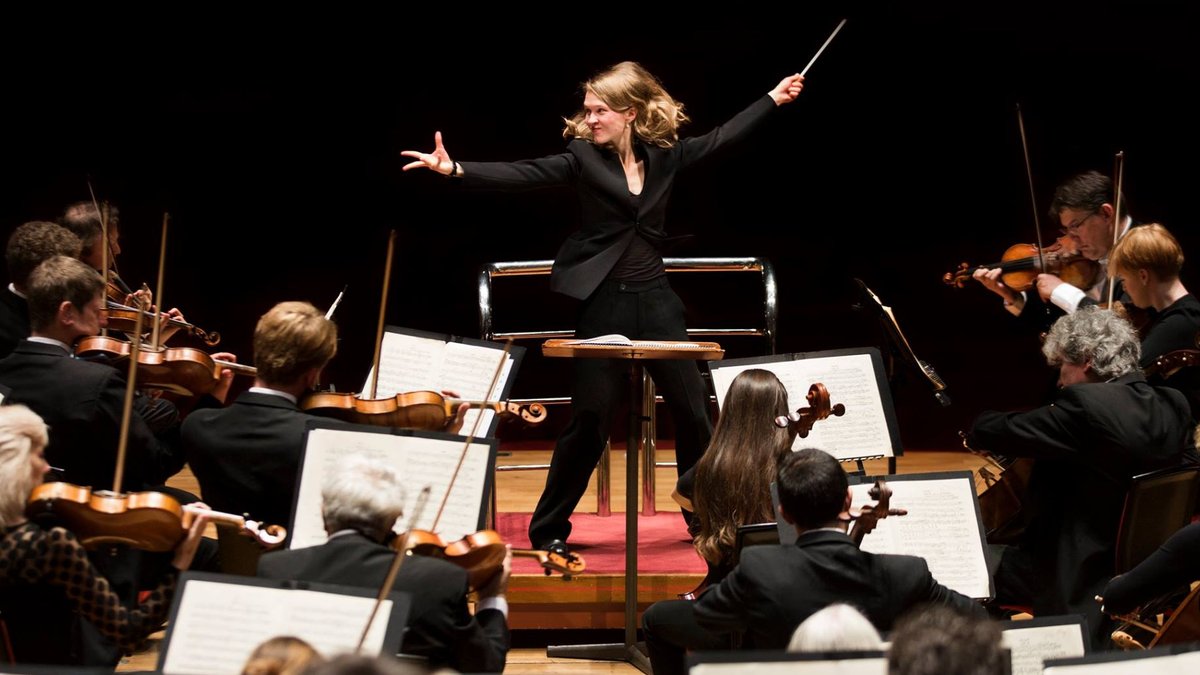
Leadership in a complex organization often mirrors the mechanics of a symphony. A conductor sets the tempo and tone, but they do not play every instrument. This concept serves as a foundational lesson for managers trying to guide teams through the noise of daily operations.
The conductor’s job is not to perform the music themselves. Instead, they provide the direction and create the environment where musicians can succeed. They listen carefully to the collective sound and bring out the best in each player. This requires a deep understanding of the team’s capabilities and knowing exactly when to intervene and when to step back.
Effective leadership demands a similar approach. The leader must know their people and understand their specific roles. [1] They must support accountability and manage communication without micromanaging every detail. A leader’s goal should be to make the entire organization better, not to prove they are the best individual contributor on the team.
Trust forms the bedrock of this relationship. If a leader tries to play every instrument, they stifle the unique talents of their staff. They create a bottleneck where progress slows because one person is trying to do too much. Conversely, a leader who focuses on direction allows the team to execute their tasks with autonomy and confidence.
Communication must be clear and precise, much like a conductor’s baton. It provides the necessary cues without dictating the specific technique of each player. This balance between guidance and autonomy is difficult to maintain. It requires constant attention and a willingness to adapt to the changing needs of the group.
Related: Homerton’s Cherished Choices: Unraveling the Perfect Ring
Understanding the Trends
Stephen Hickmore, a hospitality professional with decades of experience, suggests that leadership often defies the “sheet music.” His background includes founding recruitment agencies and managing large hospitality staffing companies, experiences that naturally test one’s ability to lead through uncertainty rather than rigid plans.
When a manager tries to control every aspect of a project, they ignore the organic cooperation that happens when people are trusted to do their jobs. This approach creates a rigid structure that cannot adapt to the unexpected challenges inherent in business. True leadership emerges when the focus shifts from personal performance to the collective success of the group.
Knowing when to step in is as critical as knowing when to step back. A conductor will correct a rhythm that is off-key or signal a sudden change in trends, but they do not force a specific tone or vibrato from a violinist. They facilitate the performance, allowing the individual musicians to express their art.
This dynamic applies directly to team management. Leaders must be present enough to guide the process but distant enough to let their team members take ownership of their specific contributions. The result is a more resilient and capable organization that functions smoothly without constant oversight from a single point of failure.


